Best Upwork Jobs for Beginners: 10 Starter Roles
Find beginner-friendly Upwork jobs that fit your skills, with sample ideas, rate guidance, and tips for building a profile and winning a first client.

A blank profile can make it feel like every Upwork client wants someone with years of experience. But many beginner-friendly projects need clear communication, care, and a small piece of proof that you can do the work. Here are 10 Upwork jobs for beginners, plus ways to build samples, set a starter scope, and pitch clients without overstating your skills.
We analyzed 59 comments and questions from Reddit, YouTube and Quora about beginner Upwork Jobs and found that 20% asked about beginner-friendly job options.
Table of Contents
- Data Entry and Web Research, A straightforward way to show accuracy
- Virtual Assistant Tasks, A flexible fit for organized beginners
- Transcription and Captioning, A skills-based option for careful listeners
- Customer Support, A communication-first starting point
- Proofreading and Light Editing, A fit for detail-oriented writers
- Social Media Assistance, A route for content-savvy beginners
- Simple Graphic Design, A portfolio-led option for visual creators
- Blog and Website Writing, A writing option with clear sample potential
- Product Listing and E-commerce Support, Detail work for online stores
- Basic Website Content Updates, A starting point for CMS-comfortable freelancers
- A beginner’s Upwork readiness checklist: profile, proposals, Connects, and payment safety
- Quick comparison: which beginner Upwork job fits your current skills?
- Frequently asked questions
- Conclusion
1. Data Entry and Web Research, A straightforward way to show accuracy
Data entry and web research suit beginners who work carefully with spreadsheets and can follow a clear process. Tasks may include fixing inconsistent fields, removing duplicate rows, checking records, or finding missing business details online.
Clients pay for trustworthy results, not fast typing alone. For a sample, make a small spreadsheet with fictional company names and show how you’d standardize columns, flag duplicates, and note where each fact came from. Use fictional data in samples, not real people’s private information.
A focused offer is easier to assess than “I can do any data task.” You might offer to clean one sheet, check a defined batch of records, or research a set number of public company details. State what you’ll check and how you’ll hand over the finished file.
Data-entry work may include spreadsheet cleanup, record checks, and online research. Rates depend on the task and the freelancer. Common data-entry work may pay $10 to $20 an hour, while cleanup or research tasks may require a different scope.
Before bidding, make sure the job has a clear deliverable and payment terms. This niche draws people who want quick, low-risk work, so keep communication and payment on Upwork. Treat requests for upfront fees or off-platform payment with care.
2. Virtual Assistant Tasks, A flexible fit for organized beginners
Virtual assistant work is a good fit if you can keep track of small tasks and send clear updates. A client might need help sorting an inbox, updating a calendar, formatting a document, or keeping a simple task tracker current.
For a portfolio sample, make a mock weekly task board or a sample calendar plan. Use fictional names and dates. Add a short note that explains how you’d track due dates and flag a task that needs the client’s input.
Start with a narrow service, such as organizing a shared drive or updating a spreadsheet from a set of approved records. A broad promise to “handle all admin” can make the work hard to price and harder to deliver well. Ask which tools the client uses before you agree to a task.
Some VA contracts grow into regular support. That can be useful once you know the client’s pace and expectations. For a first job, though, a short task with a clear end point can help you earn an early review without committing to a long schedule at a rate you may later want to change.
Keep a written list of what’s in scope. If new tasks appear, confirm the added work and timing before you begin.
3. Transcription and Captioning, A skills-based option for careful listeners
Transcription and captioning may suit you if you listen closely and can turn speech into clean, readable text. Starter tasks can include typing a short interview, adding speaker labels, or checking an existing transcript against an audio clip.
Build a sample with a recording you own or have permission to use. Include a short transcript with speaker names, punctuation, and any unclear words marked consistently. A client should be able to see your formatting choices without needing to review a long file.
Listen for names, numbers, and terms that a speech tool may mishear. If you use an automated first draft, check every line against the audio. Don’t promise a turnaround until you know the recording length and sound quality.
Requirements can vary by format and type of audio. A short, clean recording can be a more suitable first project than a long recording with several speakers or specialist terms. Ask what style the client wants, such as a word-for-word transcript or a lightly cleaned version.
Captioning adds another check: the text must match the speech and remain easy to follow on screen. Offer a small, defined sample only when the client agrees to it as paid work.
4. Customer Support, A communication-first starting point
Customer support fits beginners who can write calmly and keep track of an open issue. Many roles start with email or ticket replies, where you have time to check a policy before answering. Some clients later add live chat or calls after training.
Make a short sample reply to a fictional order question. Show that you can acknowledge the issue, state what you know, and explain the next action without guessing. A useful reply is clear and kind, but it doesn’t promise a refund or shipment date unless the client’s rules support that promise.
Look for job posts that explain the support channel, training, hours, and escalation process. A role that expects you to handle every complaint alone may be a poor first fit if you haven’t used the client’s tools or learned its policies.
Support work can lead to repeat contracts because customer questions keep coming. Even so, start with the hours you can reliably cover. If you’re only available for email shifts, say so instead of implying you can take calls at any time.
Good support work depends on sound judgment as much as warm writing. Ask where you should send cases that need approval.
5. Proofreading and Light Editing, A fit for detail-oriented writers
Proofreading and light editing work well if you spot spelling, punctuation, and consistency issues without changing a writer’s meaning. Common projects include a short web page, a report, or a near-final blog draft.
Create a sample by editing a short passage you wrote yourself. Show a before-and-after version, then list the kinds of changes you made. This lets clients see your judgment, not only a claim that you have a good eye.
Be clear about the service. Proofreading usually means checking surface errors in a near-final draft. Editing can include changes to clarity and flow. Don’t promise a full rewrite if the client only wants a final check, and don’t claim skill with a style guide unless you know how to use it.
The size of the file, the edit level, and the deadline all affect the work and should be agreed on before you begin.
A small first project could be one page with an agreed edit level and delivery time. Make sure the client knows whether you’ll mark changes in the file or return a clean copy.
6. Social Media Assistance, A route for content-savvy beginners
Social media assistance can suit you if you understand how to write short captions and keep a content plan organized. Starter tasks may include formatting approved posts, adding captions to a calendar, or turning a client’s existing notes into draft posts.

Build a sample set for a fictional business. Show a few post ideas with captions and a simple weekly calendar. If you can make basic graphics, include one sample image. Keep your work clearly labeled as a mock project rather than client work.
Clients may ask for more than posting. Some roles include community replies, content planning, or reports. Apply only to the parts you can do well, and ask who approves a post before it goes live. A client’s tone and rules matter more than a clever caption.
Start with one platform or a small batch of posts. That makes it easier to set a fair price and judge how long the work takes. If the client asks for a wider plan after the first task, agree on a new scope rather than silently adding hours.
This work can be a match if you enjoy steady weekly tasks and can follow a brand voice. It’s less suitable if you want to publish without review or direction.
Key Takeaway: A small, well-defined first project gives a client a clear way to judge your work.7. Simple Graphic Design, A portfolio-led option for visual creators
Simple graphic design is a strong option if you can make clean social posts, basic thumbnails, or presentation slides. Clients often need a specific format more than a complete brand system, so a clear sample can help you show your style.
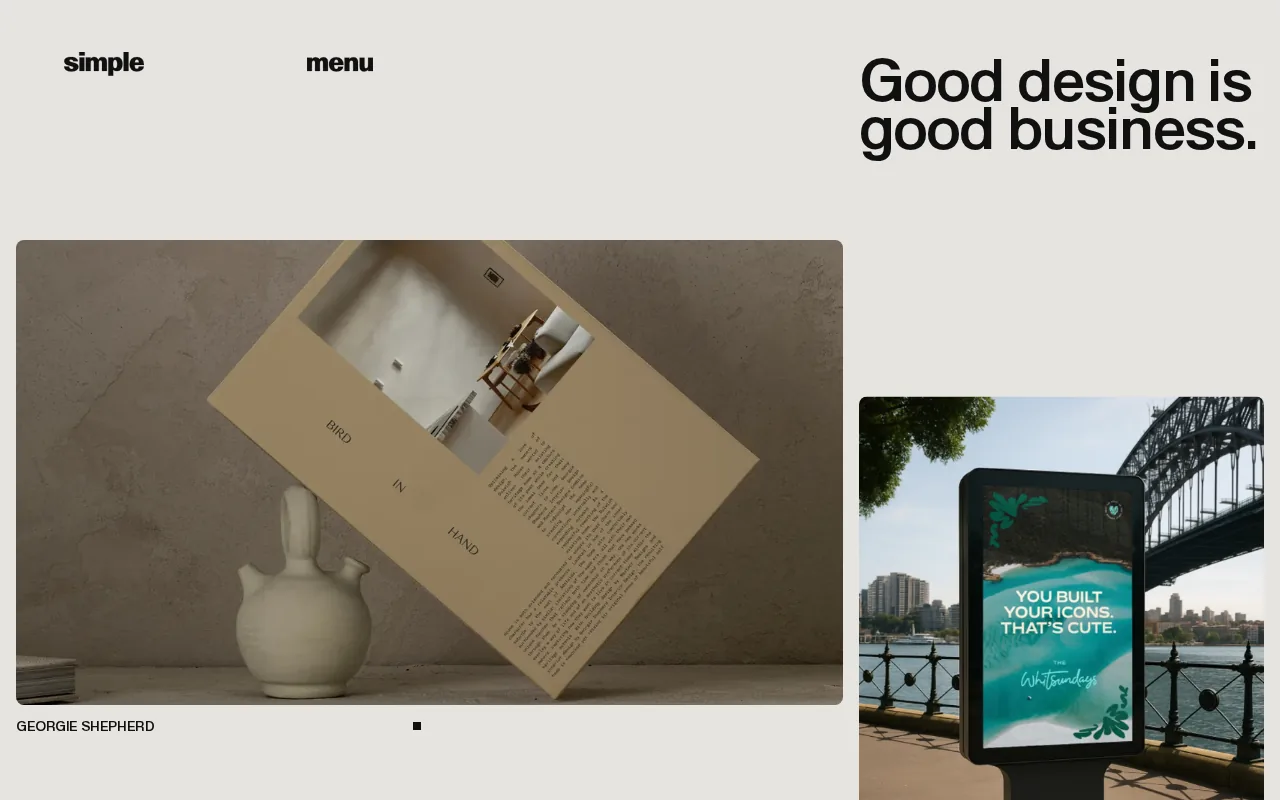
Create a few mock designs for an imaginary event or shop. Show the same message in more than one size, then explain which parts you’d change for each format. Don’t copy a real brand’s logo or present a practice piece as paid client work.
In a proposal, mention the exact deliverable you’d make and what you need from the client, such as copy, brand colors, or image files. Agree on the number of revision rounds and the file types before the project starts. Clarify format and scope before work begins.
Graphic design work can involve digital and print formats. A beginner should price the specific task rather than assume every design job takes the same effort.
A single post or thumbnail can be a sensible first project. A full brand identity is a much larger commitment and calls for a different level of skill.
8. Blog and Website Writing, A writing option with clear sample potential
Blog and website writing may fit if you can explain a topic in plain language and shape your work around a brief. Clients hire writers for blog posts, service pages, newsletters, and other copy. Each format has a different goal, so don’t pitch yourself as an expert in every kind of writing.
Make two or three samples about topics you know. A useful sample has a clear audience and purpose. For a service page, explain what the reader needs to know before taking action. For a blog post, use headings that help a reader find the answer quickly.
In your pitch, refer to one detail from the job post and suggest how you’d handle it. Then attach a sample that matches the request. A proposal can be short; it still needs to show that you read the brief.
When setting a rate, consider the work type, research needs, deadline, and your experience. A short, lightly researched post shouldn’t be priced like a technical piece that needs interviews or extensive source checks.
If you want help shaping a proposal without making every pitch sound the same, you can review the freelance proposal template tools page. Use any draft as a starting point, then check that each skill and claim matches your actual work.
Writing can become repeat work if a client publishes on a regular schedule. First, agree on the topic, length, source needs, and revision scope for one piece.
9. Product Listing and E-commerce Support, Detail work for online stores
Product listing support is a good match if you can enter details carefully and follow a store’s format. A client might need product titles, descriptions, images, or stock details added to an online catalog.
For a sample, create a fictional product sheet with a title, short description, category, and a few consistent fields. Show how you’d check spelling and make sure each entry follows the same pattern. Don’t invent product claims or copy text from another seller.
Begin with a fixed batch and a clear list of fields. Ask whether the client will provide the source details and images. If you’re expected to write descriptions as well as upload them, price that writing time separately from data entry.
Store listing tasks may involve platforms such as Shopify, Amazon, and eBay. A small upload task may be a better first fit than taking ownership of an entire store. The latter can include inventory, customer questions, and account settings beyond the listing work itself.
Accuracy matters because one wrong size, price, or variation can confuse a buyer. Check each item against the approved source before you mark the batch complete.
10. Basic Website Content Updates, A starting point for CMS-comfortable freelancers
Basic website content updates suit people who already know how to use a content management system. A starter project might involve updating a few words, formatting a blog post, or replacing an approved image on a page.
Show a sample page you built for practice, or use a screenshot from a site you own. Explain which changes you made and which parts you left alone. Don’t claim you can fix code or site speed unless you have the skills to test and repair those issues.
Read the task closely. “Update a page” could mean changing a sentence, while a request to fix layout or mobile issues may need development skills.
Before starting, confirm which page to edit and whether the client has a backup or review process. Agree on the change in writing. For a first contract, avoid making unrelated edits while you’re already in the site.
A narrow update gives both sides a clear result to review. If you can show the same change in a preview before it goes live, ask whether the client prefers that workflow.
A beginner’s Upwork readiness checklist: profile, proposals, Connects, and payment safety
Before you send proposals, make your profile match the service you want to sell. Use a clear photo, a direct headline, and an overview that says what you can do for a client. Add skill tags that reflect your real abilities, then include samples even if they’re self-made practice work.
A complete profile with a photo, portfolio, rates, and relevant skills gives clients a quicker way to assess whether your service fits their post.
Keep your overview specific. “I help small online stores update product listings in spreadsheets and Shopify” tells a client more than “I’m hardworking and ready for anything.” Don’t add client names or results you can’t verify.
Each proposal should answer the client’s actual request. Open with one detail from the post. Then say how you’d approach the task and attach a relevant sample. Ask one useful question if a key part of the scope is unclear.
Apply with AI can score and filter Upwork jobs, qualify opportunities, and draft or fill proposals and replies using your own AI provider. You review the result and press Send or Submit yourself. It doesn’t send Upwork proposals or messages on your behalf. Its guided approach can help you prepare a response while keeping the final choice in your hands.
For a closer look at that difference, see Upwork auto-bidding versus AI proposal writing. A tool can help with repeat writing, but you still need to confirm that each application is a good fit and that every statement is true.
Pro Tip: Before applying, copy the client’s must-have details into a short checklist. If your sample or skills don’t match them, save your Connects for a better fit.Connects are Upwork’s virtual currency for proposals and some other features. The number needed can vary by job. Set a monthly amount you’re comfortable spending, then prioritize posts you can deliver well. Upwork says free Connects may be available through monthly awards or certain milestones, and freelancers can also purchase them.
Don’t measure progress by proposal count alone. Note which jobs you applied to and whether the post matched your skills. If clients don’t reply, improve the profile or proposal before sending more of the same.
Keep payment and contract terms clear. Read the terms before accepting a contract, keep agreed work on the platform, and use its dispute process if a payment issue comes up.
Apply with AI is one option for preparing a tailored proposal while you keep control of the submission. It also works with LinkedIn and employer websites, but this article focuses on Upwork. If you try it, review every draft and screening answer before you submit.
Key Takeaway: A complete profile, relevant samples, selective proposals, and clear payment terms give a beginner a sound place to start.Quick comparison: which beginner Upwork job fits your current skills?
Choose the role that matches work you can already do with care. A small first project is easier to scope than a broad promise, and the sample should look like the task the client wants done.
| Job type | Good fit if you’re strong at… | Sample to show | Good first scope |
|---|---|---|---|
| Data entry and research | Accuracy and repeat checks | Clean sample spreadsheet | A defined batch of records |
| Virtual assistant | Organizing tasks | Mock task board | One admin workflow |
| Transcription | Careful listening | Short formatted transcript | A short, clear audio file |
| Customer support | Calm written replies | Sample response to a mock issue | Email or ticket support |
| Proofreading | Spotting language errors | Before-and-after passage | One short document |
| Social media assistance | Writing short copy | Sample post calendar | A small batch of approved posts |
| Graphic design | Visual layout | Original mock graphics | One post or thumbnail |
| Blog and website writing | Explaining a topic clearly | Relevant writing sample | One brief with a set scope |
| Product listings | Consistent data entry | Fictional product sheet | A fixed number of listings |
| Website content updates | Using a CMS safely | Practice page or screenshot | A few approved page edits |
For pricing, define the work before you choose an hourly or fixed price. Count research, revisions, and client communication as part of the job. A lower rate may help you enter a market, but it shouldn’t require rushed work or an open-ended list of tasks.
Pro Tip: Pick one role for your first profile version. You can add a second service once you have samples and know how long the first one takes.Frequently asked questions
What is the easiest job to get on Upwork with no experience?
Data entry, simple admin support, transcription, and basic content tasks can be approachable if you already have the needed skill. None is an automatic first hire. Choose work you can complete well, make a sample that shows your process, and apply to clear, small projects rather than claiming broad expertise.
How do I get my first Upwork job without reviews?
You can apply without reviews by showing relevant samples and writing a proposal that answers the client’s brief. Keep the first project small enough to deliver with confidence. Check that the job fits your skills, clarify the deadline, and communicate promptly. A good first review comes from work you can finish well, not from promising more than you can do.
How much should a beginner charge on Upwork?
There isn’t one right beginner rate. Rates vary by service, scope, experience, deadline, and market. Check current rates for your specific skill, then account for unpaid proposal time and revisions. For a fixed-price project, define the deliverable first. Don’t choose a rate so low that you can’t spend the time needed to do careful work.
How many proposals should I send each day?
There’s no set daily number that guarantees a client. Each proposal uses Connects, so apply selectively to jobs that match your skills and have a clear scope. If you’re not getting replies, review your profile, samples, and opening lines before increasing your volume. Early applications can help, but fit matters more than sending the same pitch everywhere.
Can I use AI to write Upwork proposals?
Yes, AI can help draft a proposal, but you should check every detail before submitting it. Make sure the draft reflects your real skills and responds to the client’s request. Apply with AI can help score and filter jobs and prepare proposal drafts, while you review the result and press Send or Submit yourself.
Conclusion
Choose the job type that best matches a skill you can prove with a small sample, then apply to a clearly scoped first project. Apply with AI can help prepare proposal drafts; review each draft before you submit.